Mar 15, 2023
15 min
Building a Media Understanding Platform for ML Innovations
By Guru Tahasildar , Amir Ziai , Jonathan Solórzano-Hamilton , Kelli Griggs , Vi Iyengar Introduction Netflix leverages machine learning to create the best medi
This post was written in collaboration with Ankur Goyal and Karthikeyan Chokappa from PwC Australia’s Cloud & Digital business.
Artificial intelligence (AI) and machine learning (ML) are becoming an integral part of systems and processes, enabling decisions in real time, thereby driving top and bottom-line improvements across organizations. However, putting an ML model into production at scale is challenging and requires a set of best practices. Many businesses already have data scientists and ML engineers who can build state-of-the-art models, but taking models to production and maintaining the models at scale remains a challenge. Manual workflows limit ML lifecycle operations to slow down the development process, increase costs, and compromise the quality of the final product.
Machine learning operations (MLOps) applies DevOps principles to ML systems. Just like DevOps combines development and operations for software engineering, MLOps combines ML engineering and IT operations. With the rapid growth in ML systems and in the context of ML engineering, MLOps provides capabilities that are needed to handle the unique complexities of the practical application of ML systems. Overall, ML use cases require a readily available integrated solution to industrialize and streamline the process that takes an ML model from development to production deployment at scale using MLOps.
To address these customer challenges, PwC Australia developed Machine Learning Ops Accelerator as a set of standardized process and technology capabilities to improve the operationalization of AI/ML models that enable cross-functional collaboration across teams throughout ML lifecycle operations. PwC Machine Learning Ops Accelerator, built on top of AWS native services, delivers a fit-for-purpose solution that easily integrates into the ML use cases with ease for customers across all industries. In this post, we focus on building and deploying an ML use case that integrates various lifecycle components of an ML model, enabling continuous integration (CI), continuous delivery (CD), continuous training (CT), and continuous monitoring (CM).
In MLOps, a successful journey from data to ML models to recommendations and predictions in business systems and processes involves several crucial steps. It involves taking the result of an experiment or prototype and turning it into a production system with standard controls, quality, and feedback loops. It’s much more than just automation. It’s about improving organization practices and delivering outcomes that are repeatable and reproducible at scale.
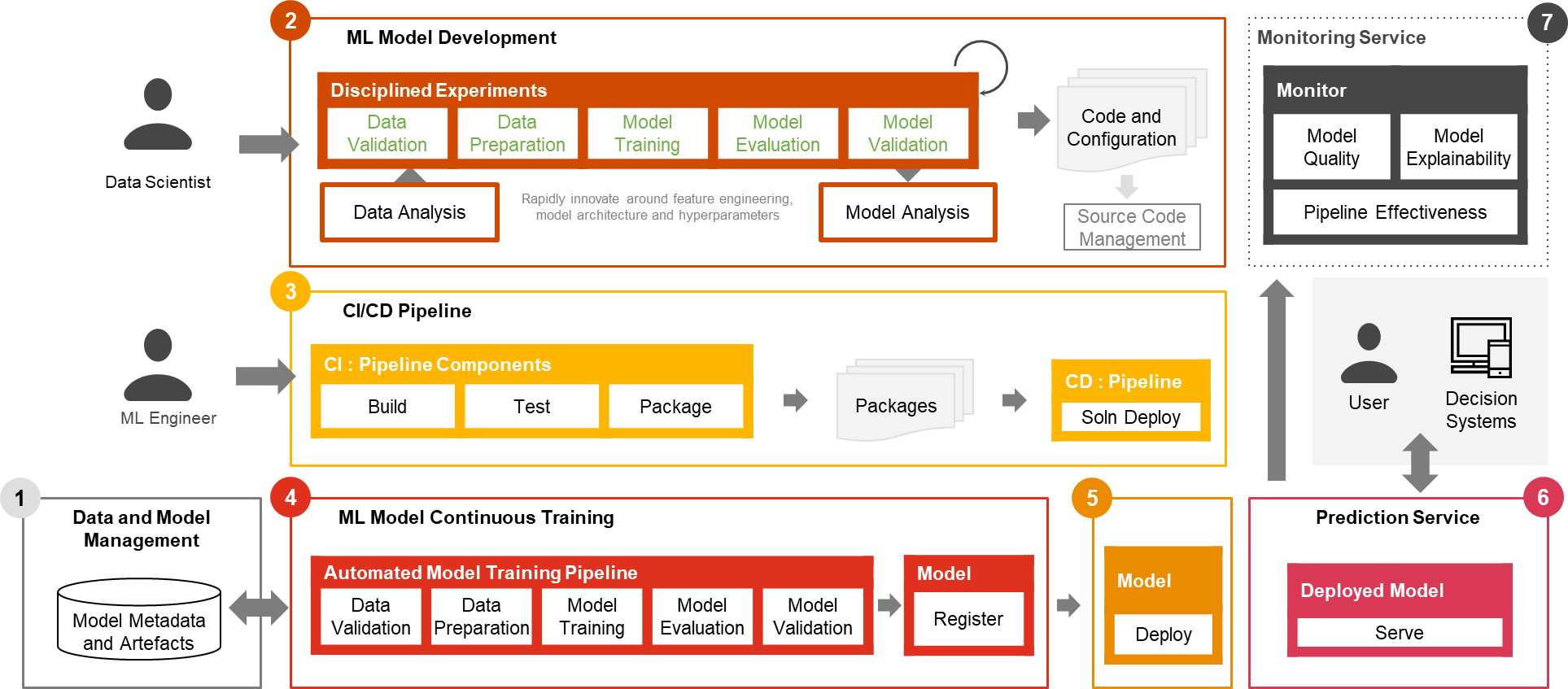
Only a small fraction of a real-world ML use case comprises the model itself. The various components needed to build an integrated advanced ML capability and continuously operate it at scale is shown in Figure 1. As illustrated in the following diagram, PwC MLOps Accelerator comprises seven key integrated capabilities and iterative steps that enable CI, CD, CT, and CM of an ML use case. The solution takes advantage of AWS native features from Amazon SageMaker, building a flexible and extensible framework around this.
Figure 1 -– PwC Machine Learning Ops Accelerator capabilities
In a real enterprise scenario, additional steps and stages of testing may exist to ensure rigorous validation and deployment of models across different environments.
The solution is built on top of AWS-native services using Amazon SageMaker and serverless technology to keep performance and scalability high and running costs low.
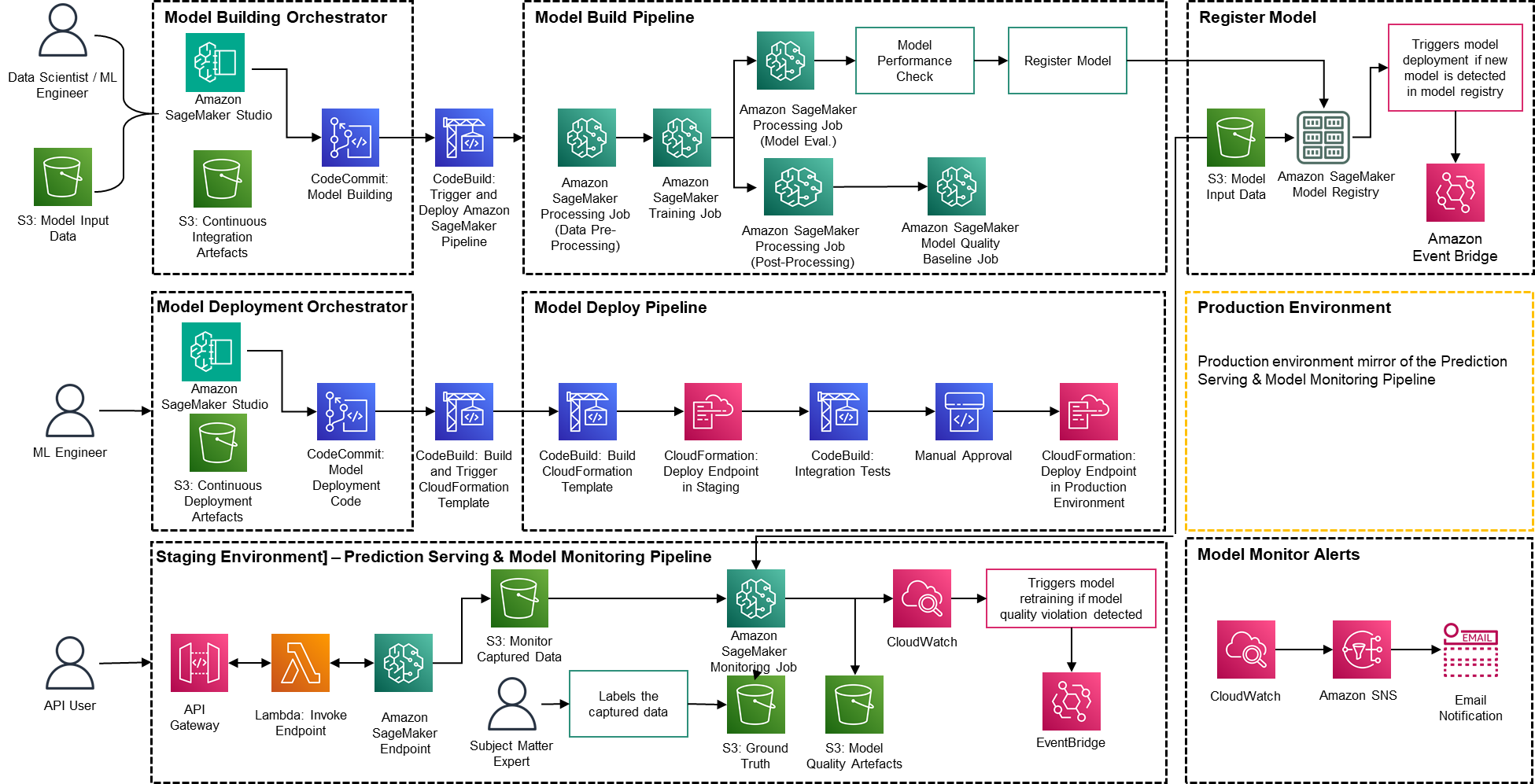
Figure 2 – PwC Machine Learning Ops Accelerator architecture
The following walkthrough dives into the standard steps to create the MLOps process for a model using PwC MLOps Accelerator. This walkthrough describes a use case of an MLOps engineer who wants to deploy the pipeline for a recently developed ML model using a simple definition/configuration file that is intuitive.
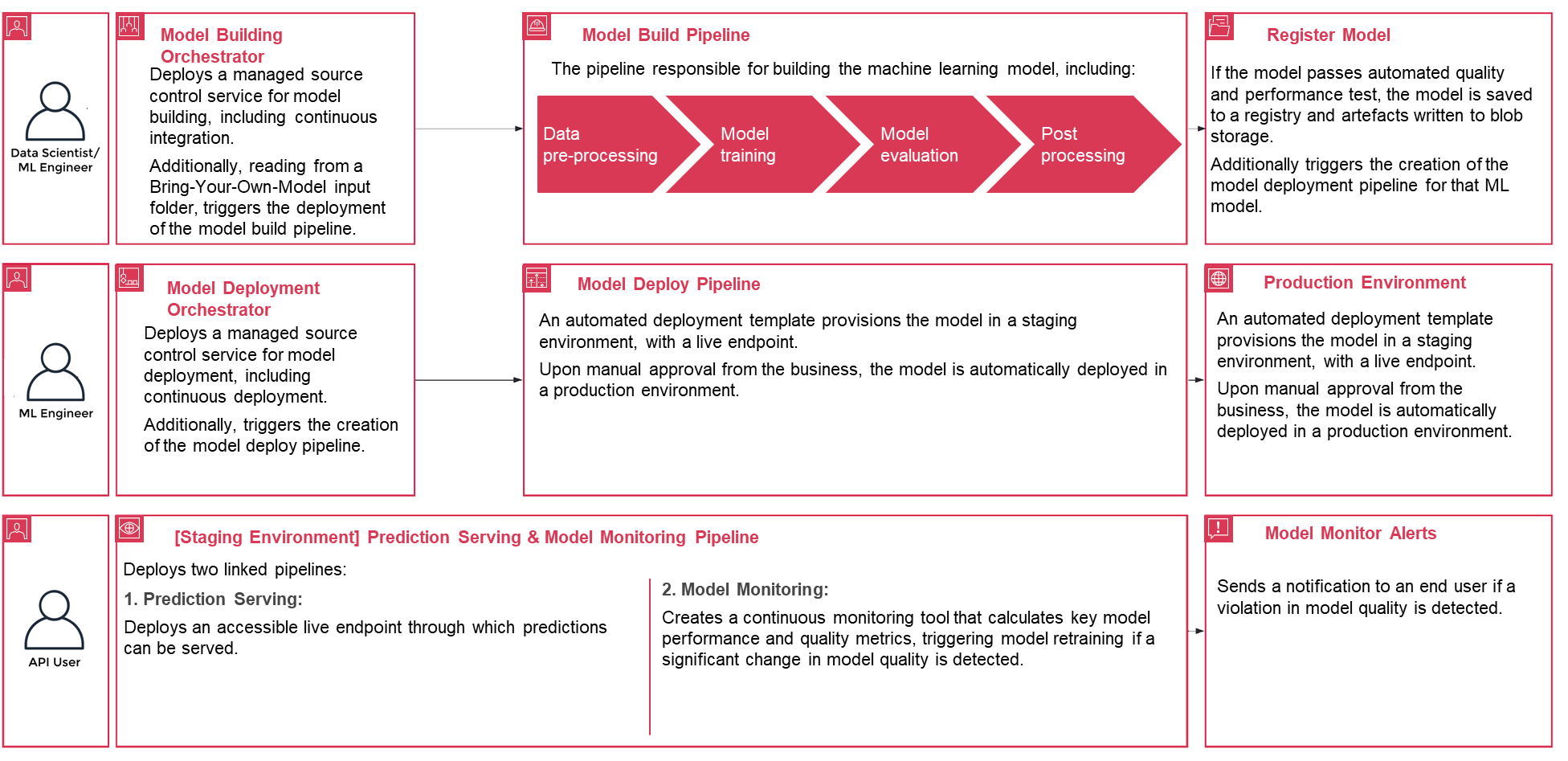
Figure 3 – PwC Machine Learning Ops Accelerator process lifecycle
config.yaml) per model. All the details required to run the solution are contained within that config file and stored along with the model in a Git repository. The configuration file will serve as input to automate workflow steps by externalizing important parameters and settings outside of code.config.yaml file and trigger the MLOps pipeline. Customers can configure an AWS account, the repository, the model, the data used, the pipeline name, the training framework, the number of instances to use for training, the inference framework, and any pre- and post-processing steps and several other configurations to check the model quality, bias, and explainability.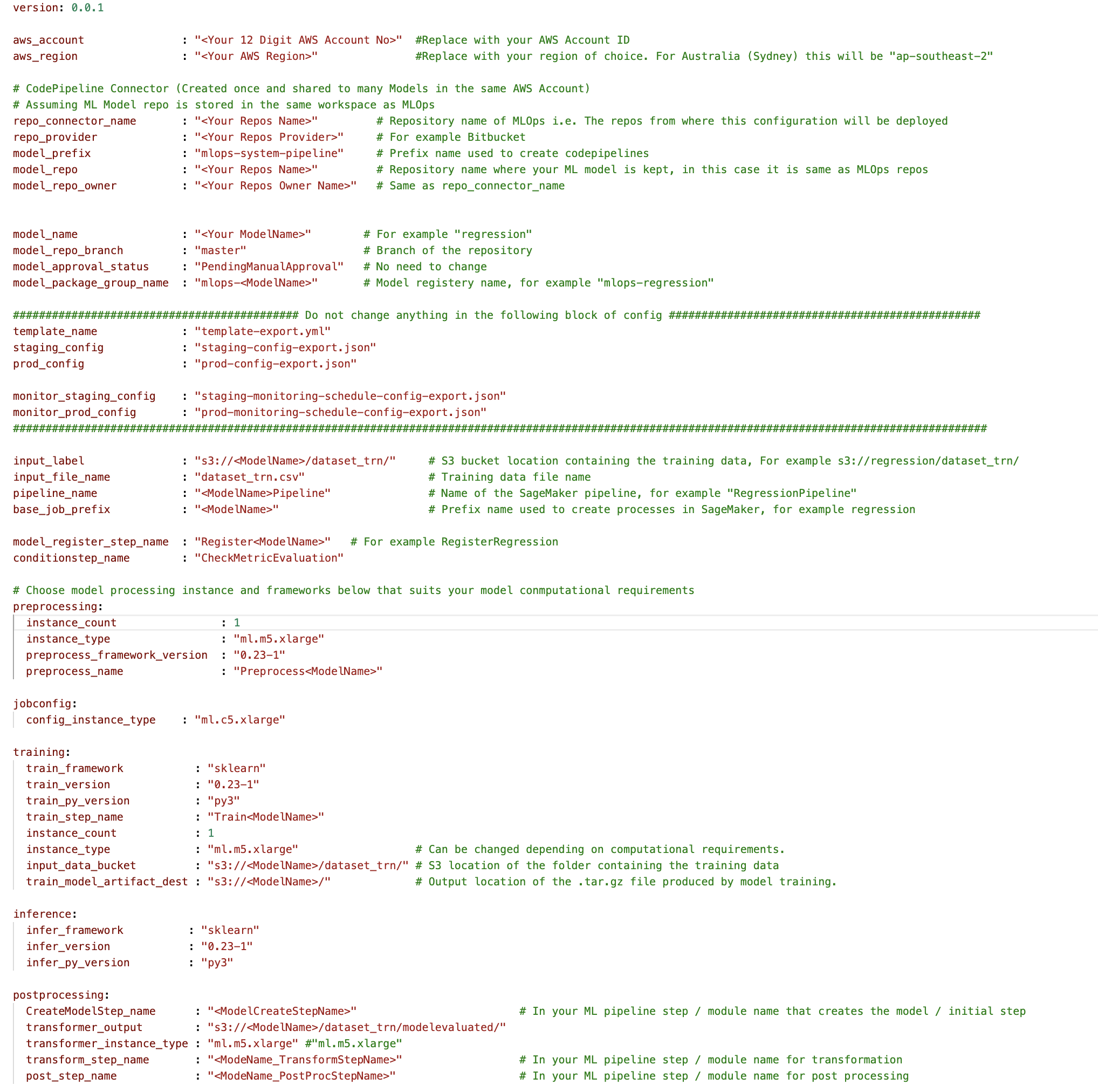
Figure 4 – Machine Learning Ops Accelerator configuration YAML
config.yaml is configured appropriately and saved alongside the model in its own Git repository, the model-building orchestrator is invoked. It also can read from a Bring-Your-Own-Model that can be configured through YAML to trigger deployment of the model build pipeline.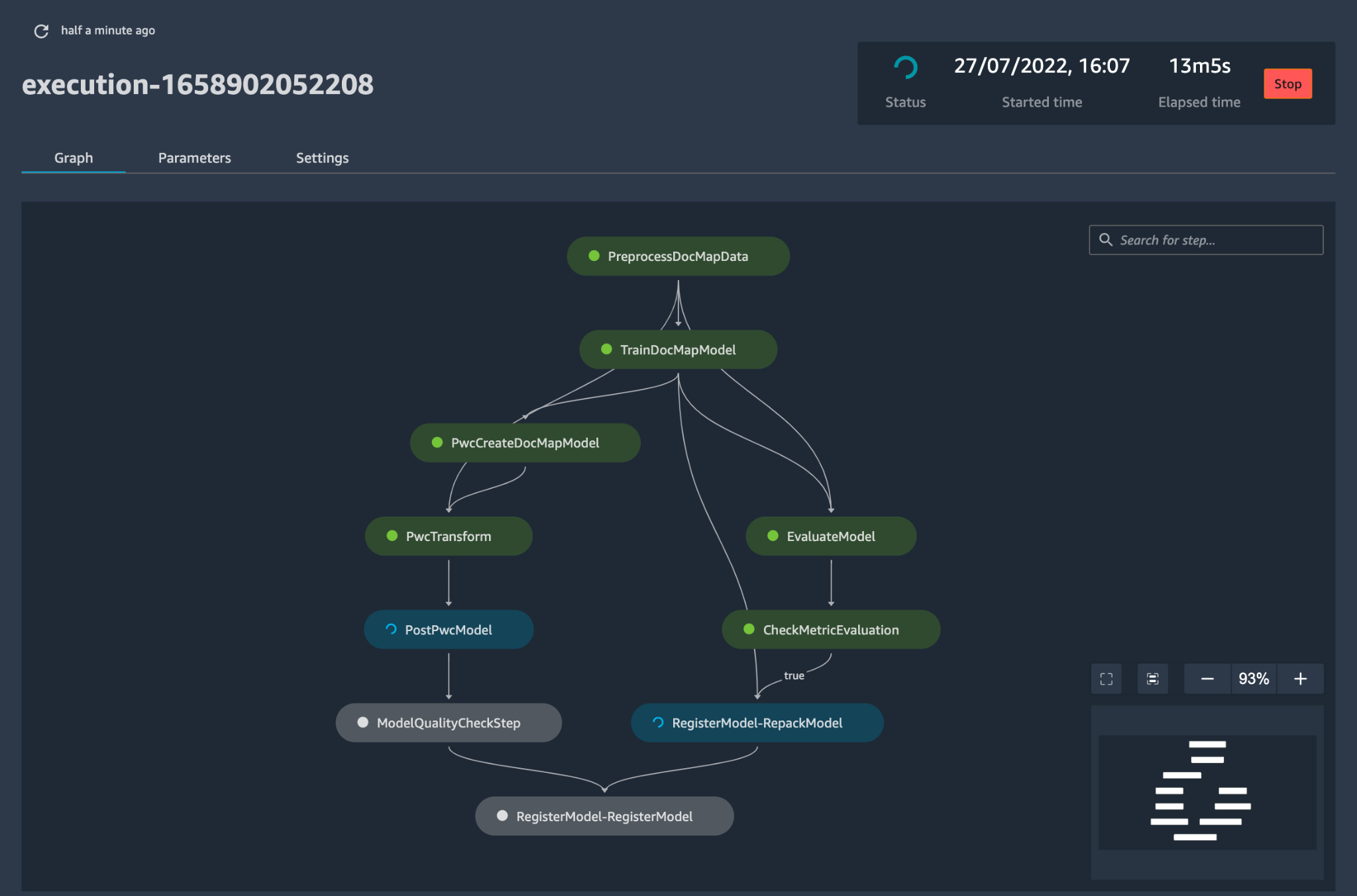
Figure 5 – Sample model deployment workflow
In summary, MLOps is critical for any organization that aims to deploy ML models in production systems at scale. PwC developed an accelerator to automate building, deploying, and maintaining ML models via integrating DevOps tools into the model development process.
In this post, we explored how the PwC solution is powered by AWS native ML services and helps to adopt MLOps practices so that businesses can speed up their AI journey and gain more value from their ML models. We walked through the steps a user would take to access the PwC Machine Learning Ops Accelerator, run the pipelines, and deploy an ML use case that integrates various lifecycle components of an ML model.
To get started with your MLOps journey on AWS Cloud at scale and run your ML production workloads, enroll in PwC Machine Learning Operations.
 Kiran Kumar Ballari is a Principal Solutions Architect at Amazon Web Services (AWS). He is an evangelist who loves to help customers leverage new technologies and build repeatable industry solutions to solve their problems. He is especially passionate about software engineering , Generative AI and helping companies with AI/ML product development.
** **Ankur Goyal is a director in PwC Australia’s Cloud and Digital practice, focused on Data, Analytics & AI. Ankur has extensive experience in supporting public and private sector organizations in driving technology transformations and designing innovative solutions by leveraging data assets and technologies.
** **Karthikeyan Chokappa (KC) is a Manager in PwC Australia’s Cloud and Digital practice, focused on Data, Analytics & AI. KC is passionate about designing, developing, and deploying end-to-end analytics solutions that transform data into valuable decision assets to improve performance and utilization and reduce the total cost of ownership for connected and intelligent things.
 Rama Lankalapalli is a Sr. Partner Solutions Architect at AWS, working with PwC to accelerate their clients’ migrations and modernizations into AWS. He works across diverse industries to accelerate their adoption of AWS Cloud. His expertise lies in architecting efficient and scalable cloud solutions, driving innovation and modernization of customer applications by leveraging AWS services, and establishing resilient cloud foundations.
 Jeejee Unwalla is a Senior Solutions Architect at AWS who enjoys guiding customers in solving challenges and thinking strategically. He is passionate about tech and data and enabling innovation.
Source: Original Article
Last updated: March 23, 2026